
Sourdough Junction
My mission is to bring real bread to the community by crafting organic sourdough made from flour that is freshly milled each day. I believe that bread should be vibrant, nutrient‑rich, and full of flavour—qualities only possible when grains are milled moments before they become dough. Unlike store‑bought flour, which loses aroma, nutrition, and vitality as it sits on shelves, freshly milled flour retains its natural oils, minerals, and character. By honouring the whole grain and the slow fermentation of sourdough, I create bread that nourishes the body, supports local agriculture, and reconnects our community to the simple joy of honest, nutritious food.
Why Freshly Milled?
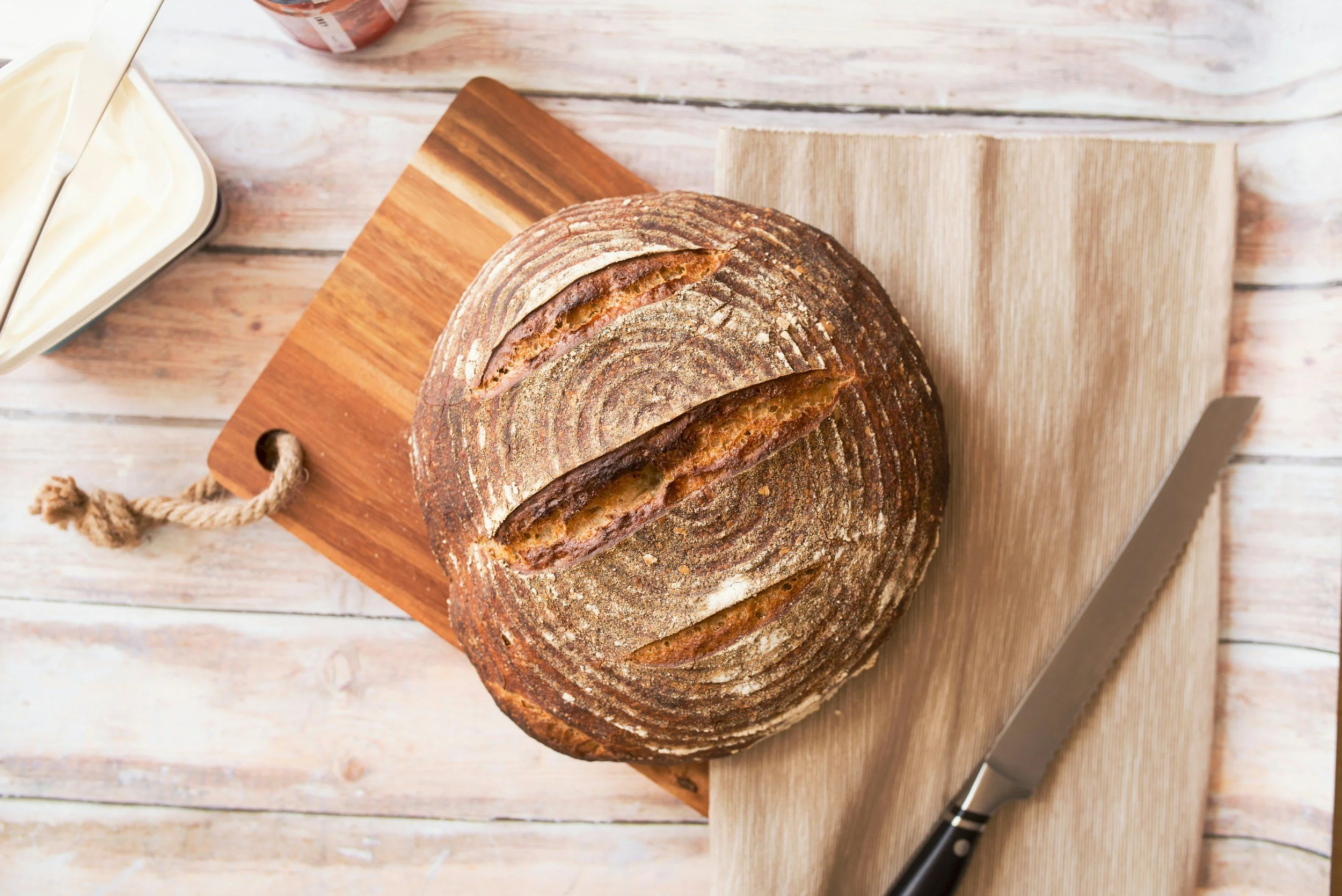
Freshly milled bread carries a story that stretches back thousands of years, long before industrial milling existed. For most of human history, grains were ground and baked the very same day, which meant people were eating flour at its peak—rich in natural oils, vitamins, minerals, and antioxidants. Once modern roller‑milling arrived in the late 1800s, flour became shelf‑stable but far less nutritious. The bran and germ—where most of the nutrients live—were stripped away to extend its storage life, leaving behind a product that was convenient but nutritionally depleted.
When flour is freshly milled, those nutrients are still intact. The natural oils haven’t oxidized, the vitamins haven’t degraded, and the grain’s full spectrum of fiber, minerals, and enzymes is still alive. This can support better digestion, steadier energy, and improved gut health for many people. Freshly milled flour also contains more flavor compounds, giving bread a depth and aroma that store‑bought flour simply can’t match. In many ways, choosing freshly milled bread is less about following a trend and more about returning to the way humans have nourished themselves for centuries—whole, vibrant, and close to the earth.
Your Questions,
Answered
Do freshly milled bread taste different than regular sourdough ?
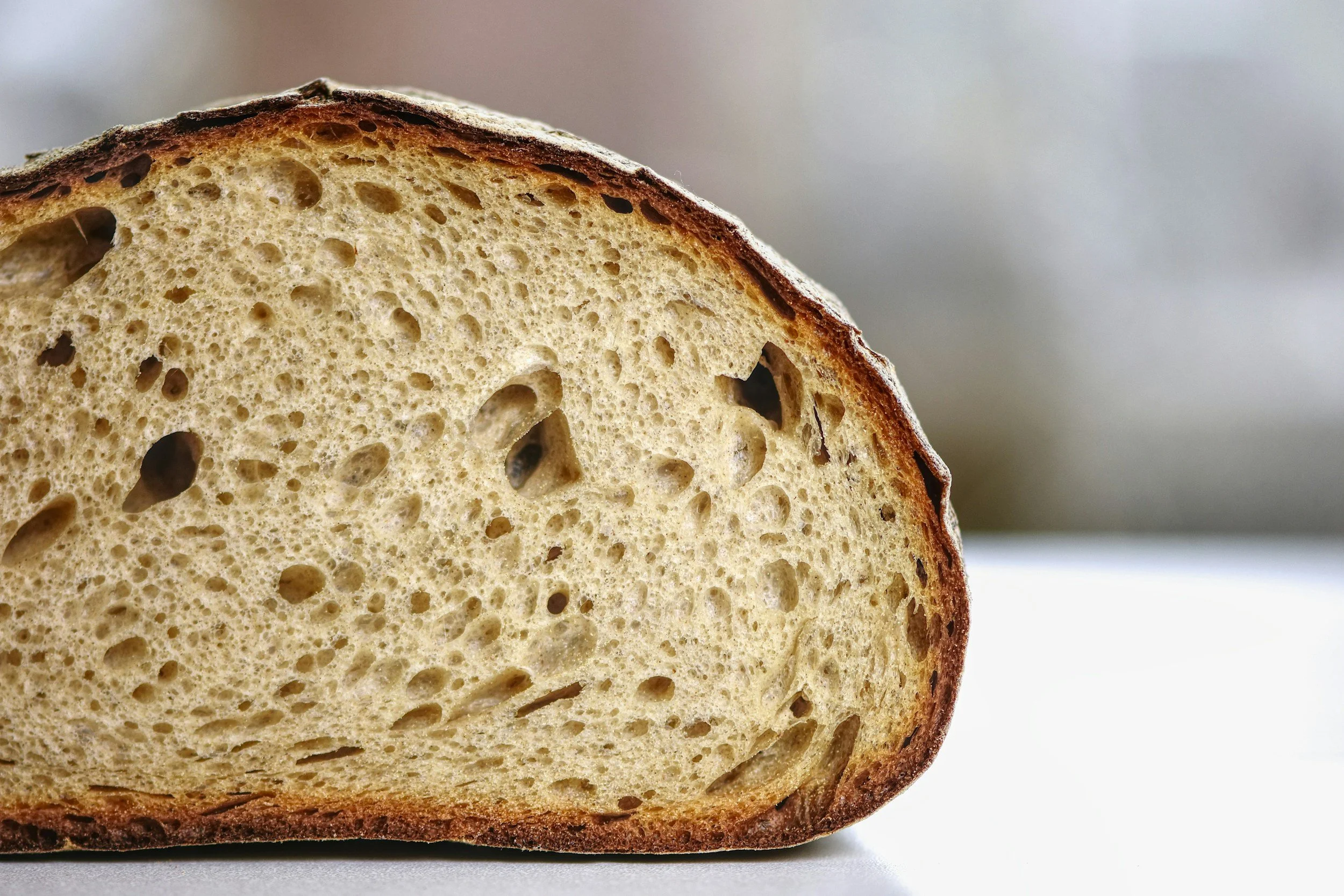
Yes — the difference is noticeable in the best possible way. Freshly milled bread has a deeper, richer flavour because the flour still contains all the natural oils, aromas, and nutrients from the whole grain. You’ll taste subtle notes of nuttiness, sweetness, and earthiness that simply don’t exist in flour that’s been sitting on a shelf for months. The sourness from the long fermentation still remains, much like regular sourdough bread. The crumb tends to be softer and more tender, while the crust develops a beautifully complex aroma. Regular sourdough is delicious on its own, but when it’s made with freshly milled flour, the flavour becomes more vibrant and alive
Are your breads safe for people with gluten sensitivity or celiacs?
No. It’s important to note that my breads are not gluten‑free. They’re made from wheat, which naturally contains gluten, so they are not safe for anyone with celiac disease or a medically diagnosed gluten intolerance.
Can I freeze sourdough breads and eat it later?
Absolutely — sourdough freezes wonderfully. Because of its natural acidity and long fermentation, it holds its texture and flavor far better than most breads. The best method is to slice the loaf first, place the slices in a freezer‑safe bag, and pull out only what you need. You can toast slices straight from the freezer, and they’ll taste just as fresh and delicious as the day you baked them. If you prefer to freeze the whole loaf, wrap it tightly and let it thaw at room temperature before enjoying.
Let’s Stay in Touch
Have anymore questions? Or interested in learning more?
Leave me a message or question!